Laser Cutting Machines Import Procedures – HS Codes, Duties, and Customs Clearance Process
Posted on: 01/06/2026
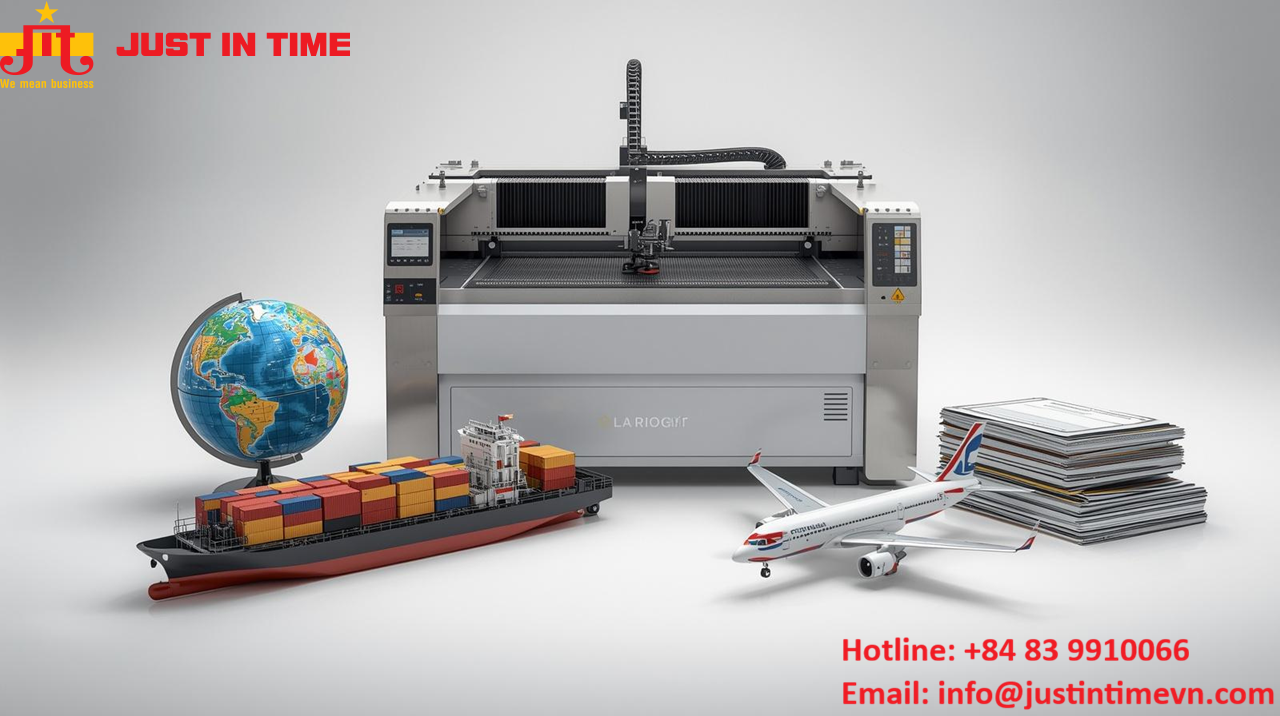
1. Overview of Laser Cutting Machines and Import Regulations
Laser cutting machines use high powered laser beams to cut, engrave, or process materials such as metal, wood, acrylic, plastic, fabric, and other materials.
In Vietnam, laser cutting machines are allowed to be imported, but importers must comply with:
-
Industrial machinery management regulations
-
Product labeling requirements
-
Occupational safety regulations
-
Applicable tax obligations
For used laser cutting machines, importers should verify compliance with current regulations governing the importation of used machinery and equipment.
2. HS Codes for Laser Cutting Machines
2.1 Common HS Codes
Laser cutting machines are typically classified under the following HS codes:
-
HS 8456.11.00 Machine tools operated by laser processes
-
HS 8456.90.00 Other machine tools covered under heading 8456
2.2 How to Determine the Correct HS Code
HS classification should be based on:
-
Laser processing technology
-
Material type being processed
-
Machine power capacity
-
Cutting, engraving, or combined functions
-
Technical catalog and manufacturer specifications
Accurate classification ensures correct duty rates and avoids customs issues.
3. Import Duties for Laser Cutting Machines
Applicable taxes include:
-
MFN import duty: approximately 0 to 10 percent
-
VAT: 10 percent
-
Preferential duty rates when a valid Certificate of Origin is provided under applicable free trade agreements
The exact rate depends on HS classification and country of origin.
** See more Air Compressors Import Procedures
4. Required Documents for Importing Laser Cutting Machines
Importers must prepare:
-
Customs declaration
-
Commercial invoice
-
Packing list
-
Sales contract
-
Bill of Lading or Air Waybill
-
Certificate of Origin if applicable
-
Product catalog
-
Manufacturer's technical specifications
For used equipment, additional documents proving compliance with import conditions may be required.
5. Import Procedures for Laser Cutting Machines
Step 1: Determine HS code and import policy
Verify whether the machine is new or used and review applicable regulations.
Step 2: Prepare technical documentation
Collect catalogs, technical specifications, and manufacturer documentation.
Step 3: Submit customs declaration
Declare electronically through the VNACCS customs system.
Step 4: Customs inspection if required
Customs authorities may inspect the machine physically or review technical documents.
Step 5: Pay duties and complete customs clearance
Fulfill all tax obligations and customs requirements.
Step 6: Receive goods and install the equipment
Take delivery of the machine and proceed with installation and operation.
6. Important Notes When Importing Laser Cutting Machines
6.1 Product Requirements
-
Clearly identify whether the machine is designed for metal or non metal processing
-
Verify the actual power output and machine functions
-
Prepare complete technical documentation for HS classification purposes
6.2 Labeling Requirements
Products must include labels with:
-
Product name
-
Country of origin
-
Manufacturer information
-
Model number
-
Capacity and technical specifications
** See more Mini Packaging Machine Import Procedures
7. Import Services for Laser Cutting Machines
Full-service solutions include:
-
HS code and duty consultation
-
Machinery import policy advisory services
-
Customs declaration services
-
International and domestic transportation
-
Support for importing used machinery when applicable
Professional services help reduce risks and improve import efficiency.
8. FAQ – Frequently Asked Questions About Importing Laser Cutting Machines
8.1 Do laser cutting machines require an import license?
Generally, no import license is required for brand new laser cutting machines.
8.2 Can used laser cutting machines be imported?
Yes, provided they meet the conditions for importing used machinery under current regulations.
8.3 What is the import duty rate for laser cutting machines?
Approximately 0 to 10 percent depending on the HS code and country of origin.
8.4 How long does customs clearance take?
Typically 1 to 3 working days if all documents are complete.
8.5 Is a product catalog required?
Yes. A catalog is an important document for determining the correct HS code and applicable import regulations.
9. Conclusion
Laser cutting machines are high value industrial equipment widely used across many manufacturing industries. Importers should ensure accurate HS classification, prepare complete technical documentation, and review applicable import regulations before shipment. Compliance with customs and regulatory requirements will help achieve smooth customs clearance, reduce costs, and minimize operational risks.
If you have difficulties when clearing customs, you can choose Just In Time as a companion.
Just In Time's staff is always enthusiastic to support you to handle your work quickly and professionally.
JUST IN TIME JOINT STOCK COMPANY
Address: No. 5, Dong Da, Tan Son Hoa Ward, Ho Chi Minh City.
Hotline: +84 83 9910066
Email: info@justintimevn.com
Facebook: https://www.facebook.com/justintimevn
** See more Mini Laser Engraving Machine Import Procedures